



Specialist Knowledge
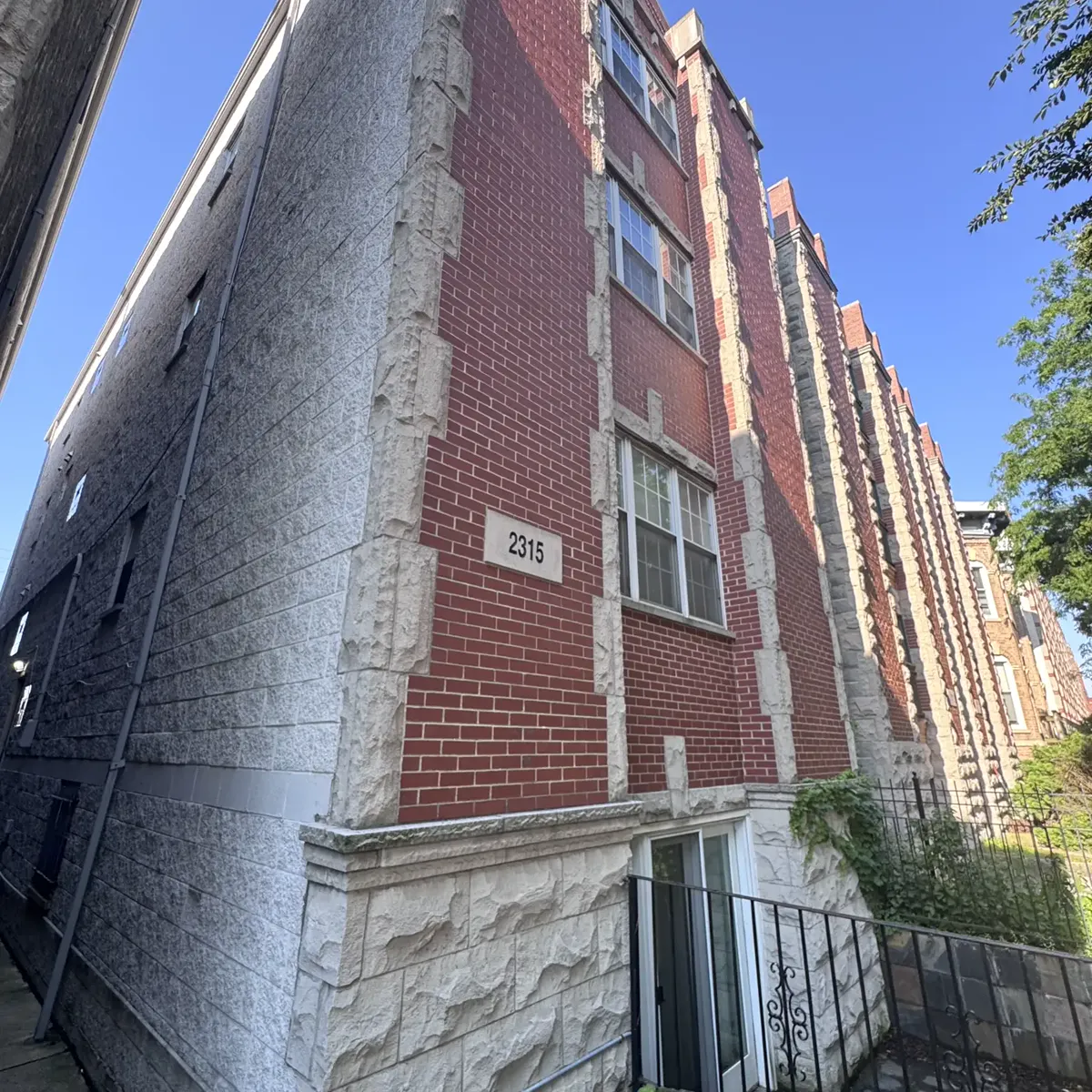
We understand the unique structural challenges and absorption issues of split-face block and Renaissance stone buildings in Chicago.
Chicago Masonry Sealing Specialists — 1,000+ Local Permits Managed
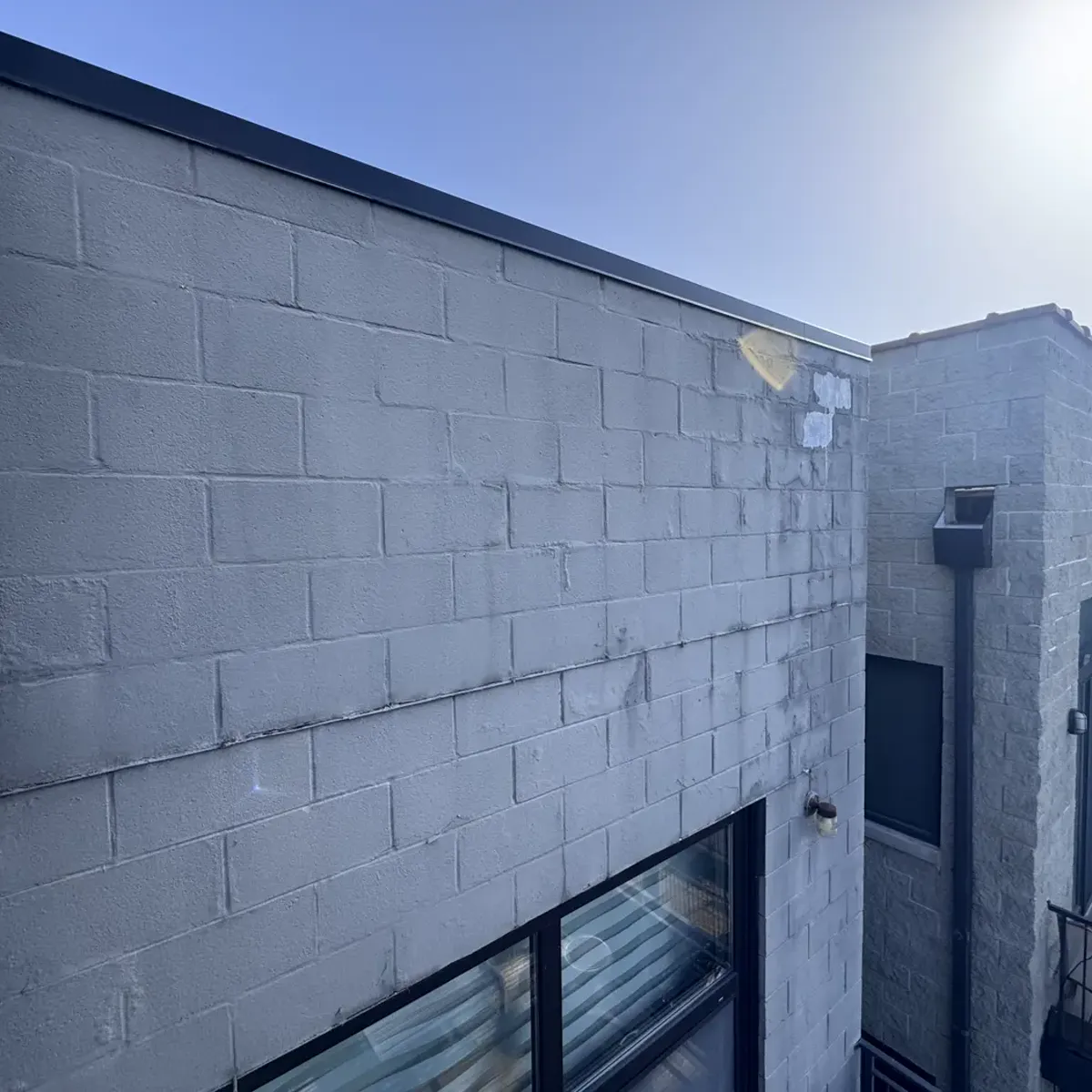
Specialized waterproofing for split-face cinder block and Renaissance stone. We identify water-entry paths, repair masonry defects where needed, and apply appropriate breathable protection to help reduce recurring leaks and moisture damage.
Or call directly: (773) 286-3560
Moisture Warning Signs
Water marks, damp basement walls, white mineral deposits, peeling paint, interior mold or musty odors, and recurring leaks after rain can indicate moisture moving through or around a block wall. The right repair starts by identifying the source of the water—not simply covering the wall.
Single-Wythe Cinder Block
Most Chicago new construction buildings from the early 2000s on are built with single-wythe cinder block — meaning just one layer of block stands between your heated interior and Chicago's freeze-thaw weather. Cinder block is by nature a porous concrete masonry unit, and split-face block is even more absorbent on its rough, exposed face. Water that soaks into the wall migrates directly inward, showing up as basement leaks, mildew smells, peeling drywall, and paint that bubbles off the interior surface.
Because the substrate is poured concrete masonry — not a surface coating or veneer — it requires a specifically formulated chemical seal. The only treatment proven to stop wind-driven moisture migration in single-wythe cinder block is a deep-penetrating silane/siloxane sealant. Unlike an elastomeric paint or clear top-coat, silane/siloxane sealants chemically bond inside the substrate, create an invisible breathable barrier that pushes liquid water back out, and still allow water vapor to escape so the wall dries from the inside. A structurally sound wall with repaired mortar joints, then sealed with silane/siloxane, will stay dry through decades of Lake-effect rain and snow.
Technical Process
Inspect visible block joints, cracks, coping, flashing, caps, and surrounding water paths.
Identify failed mortar, damaged block, open joints, or other masonry conditions needing repair.
Complete necessary masonry repair before applying any treatment.
Prepare the block surface and apply a masonry-compatible breathable water-repellent system when suitable.
Explain the repair scope and any drainage, flashing, or maintenance issues outside the masonry work.
Process & Approach
We understand the unique structural challenges and absorption issues of split-face block and Renaissance stone buildings in Chicago.
We exclusively use premium, breathable silane-siloxane treatments that last years longer than standard hardware-store residential sealers.
We inspect for failing mortar, coping, and flashing issues before we seal. We make sure your walls are structurally sound first.
Deal directly with the family team doing the work — not a lead-generation aggregator.
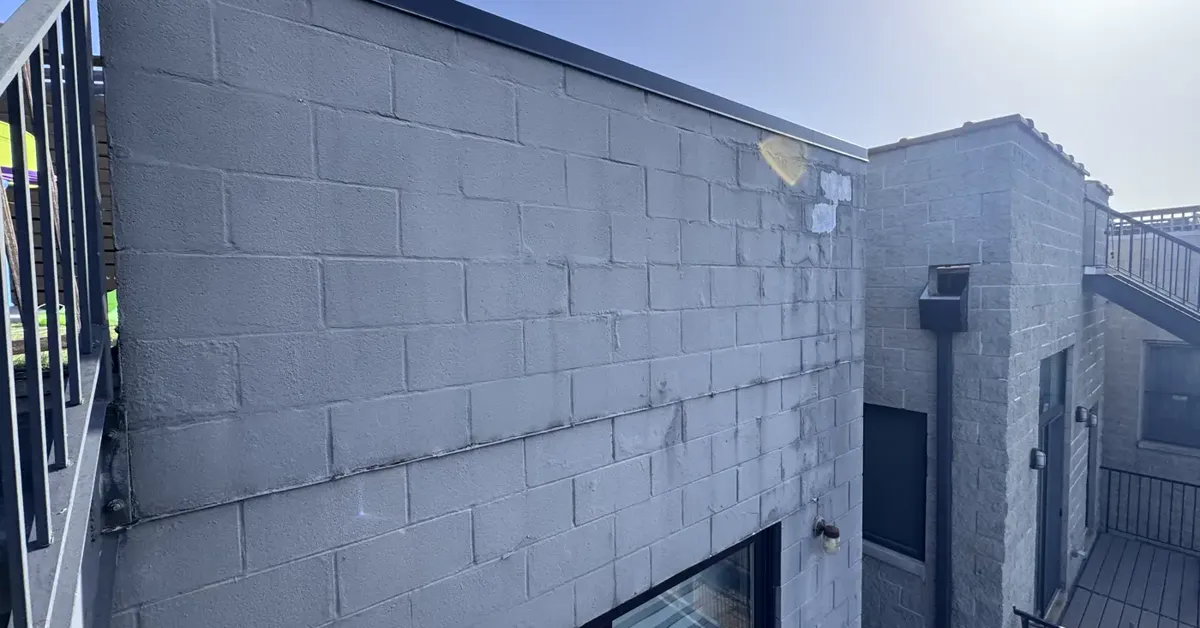
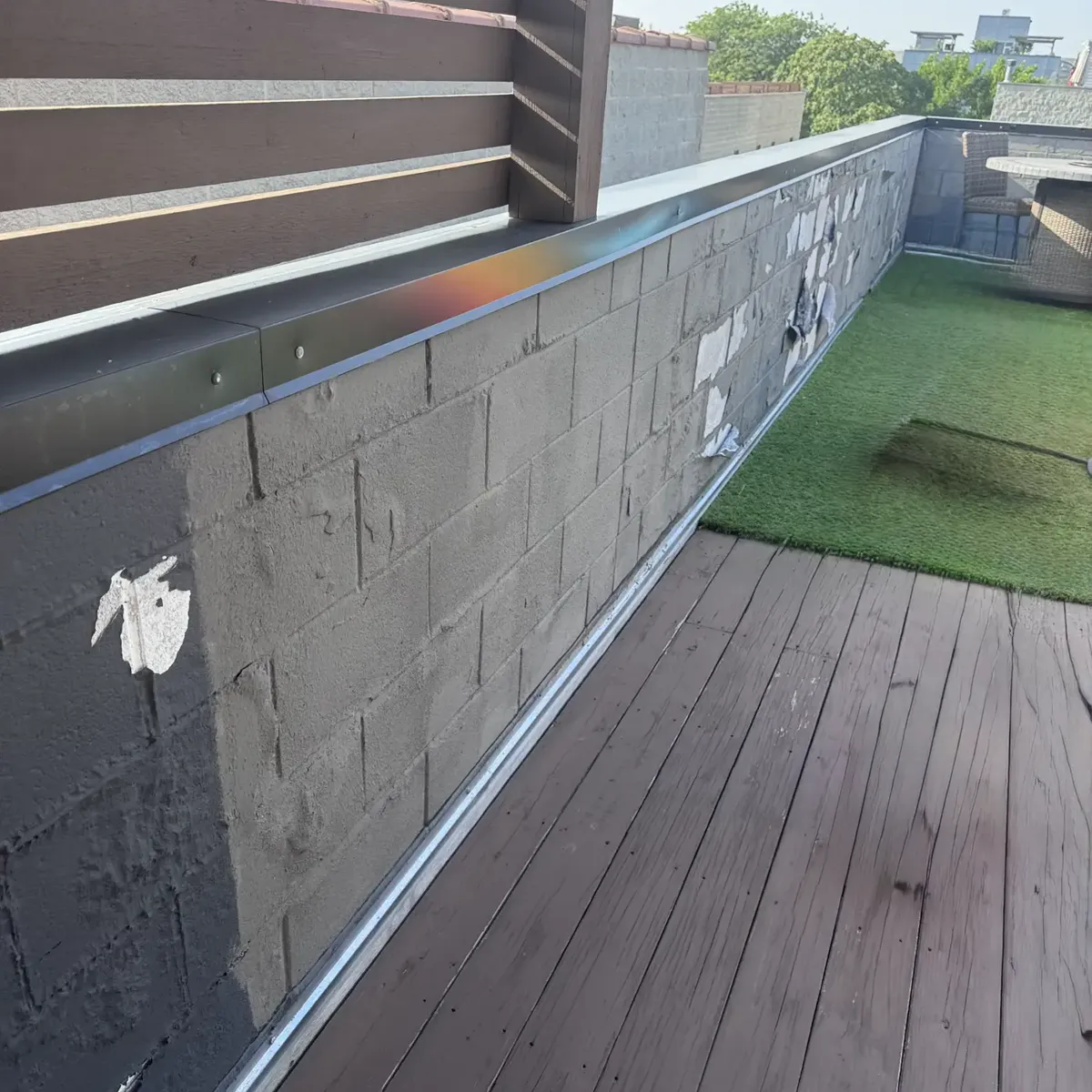
Visual Proof
FAQ
Cinder block (CMU) is more porous than fired brick and wicks water readily through the block face and mortar joints. In Chicago's wet climate, unprotected CMU walls absorb moisture that freezes and cracks the block in winter.
Yes. A penetrating silane-siloxane sealer soaks into cinder block and creates a water-repellent barrier while letting vapor escape. For walls with active leaks, Star Tuckpointing also repairs mortar joints and flashing before sealing.
A quality penetrating sealer on cinder block lasts 7 to 10 years on a Chicago exterior. Exposed walls in full sun and rain may need reapplication sooner. Star Tuckpointing uses commercial-grade silane-siloxane sealers for maximum longevity.
Sealing a cinder block wall in Chicago typically costs $2 to $5 per square foot depending on wall condition and access. Repairs to mortar or flashing are quoted separately. Star Tuckpointing provides a free written estimate.
Split-face block is a concrete masonry unit with a textured exterior face designed to resemble natural stone. Its rough surface and exposed joints require a waterproofing approach compatible with masonry materials and the wall’s condition.
No. Renaissance stone and split-face concrete block have different textures, porosity, joints, and repair considerations from traditional clay brick. The evaluation and selected waterproofing treatment should suit the specific masonry material.
Yes, visible cracks, failed mortar joints, damaged block, and open gaps should generally be evaluated and repaired before waterproofing. A coating or water-repellent treatment is not a substitute for correcting active masonry defects.
Waterproofing can help reduce water absorption through suitable masonry surfaces, but results depend on correctly identifying all water-entry paths. Roof, flashing, coping, window, drainage, and structural conditions may also contribute to water intrusion.
A Family Name Behind Every Job
Peter Kleszcz, Owner
Tell us what your property needs. We'll follow up directly.