





Step 1
Deep Grinding
We grind out the deteriorated, loose mortar to the proper depth, ensuring a solid, stable base for the new application rather than a surface patch.

Family Owned in Chicago Since 1992 — 1,000+ Permitted Projects
We remove failing mortar, repoint brick joints, and help stop water intrusion before deteriorating joints lead to cracked or spalling brick.
Or call directly: (773) 286-3560
Compare before you commit
Compare reviews, licenses, and public credentials side by side before you decide.
Compare Contractor Tool →Read: How to Verify a Masonry Contractor Before Signing a Quote →
Warning Signs
The Problem
When mortar joints age and deteriorate, they lose their ability to repel water. In the Chicago area, moisture enters these compromised joints and freezes during severe temperature drops. This relentless freeze-thaw cycle forces the masonry to expand and contract, leading to cracking, spalling bricks, and significant structural degradation. Addressing compromised mortar early prevents the need for complete wall rebuilds.
A lifespan of more than 25 years is typical for mortar joints, while brick may well exceed 100 years — so occasional repair of the joints is expected over the life of any brick building.
Repair Scope
Applying surface-level patch materials over failing joints will not resolve water intrusion and will fail prematurely. Effective tuckpointing requires precision to restore both the structural integrity and the appearance of the masonry.
Step 1
We grind out the deteriorated, loose mortar to the proper depth, ensuring a solid, stable base for the new application rather than a surface patch.
Step 2
The joints are thoroughly cleaned of dust and debris to maximize the adhesion and lifespan of the new mortar.
Step 3
We tuck in fresh, structurally sound mortar, custom-matched to the color and texture of your existing brickwork for a seamless finish.
Clean Job Site
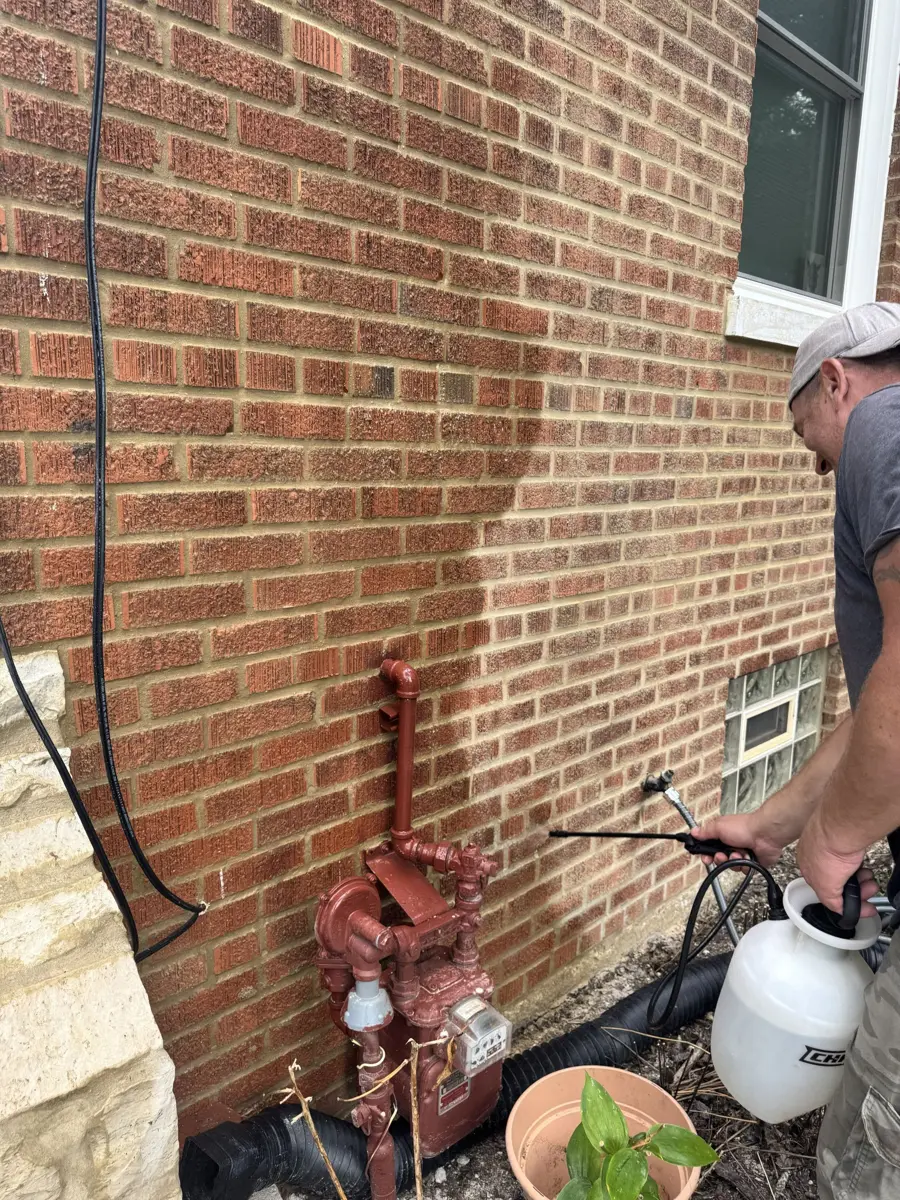
We grind with vacuum dust-control equipment and lay clean drop cloths to protect your landscaping, walks, and windows from masonry dust and mortar runoff.
Residential
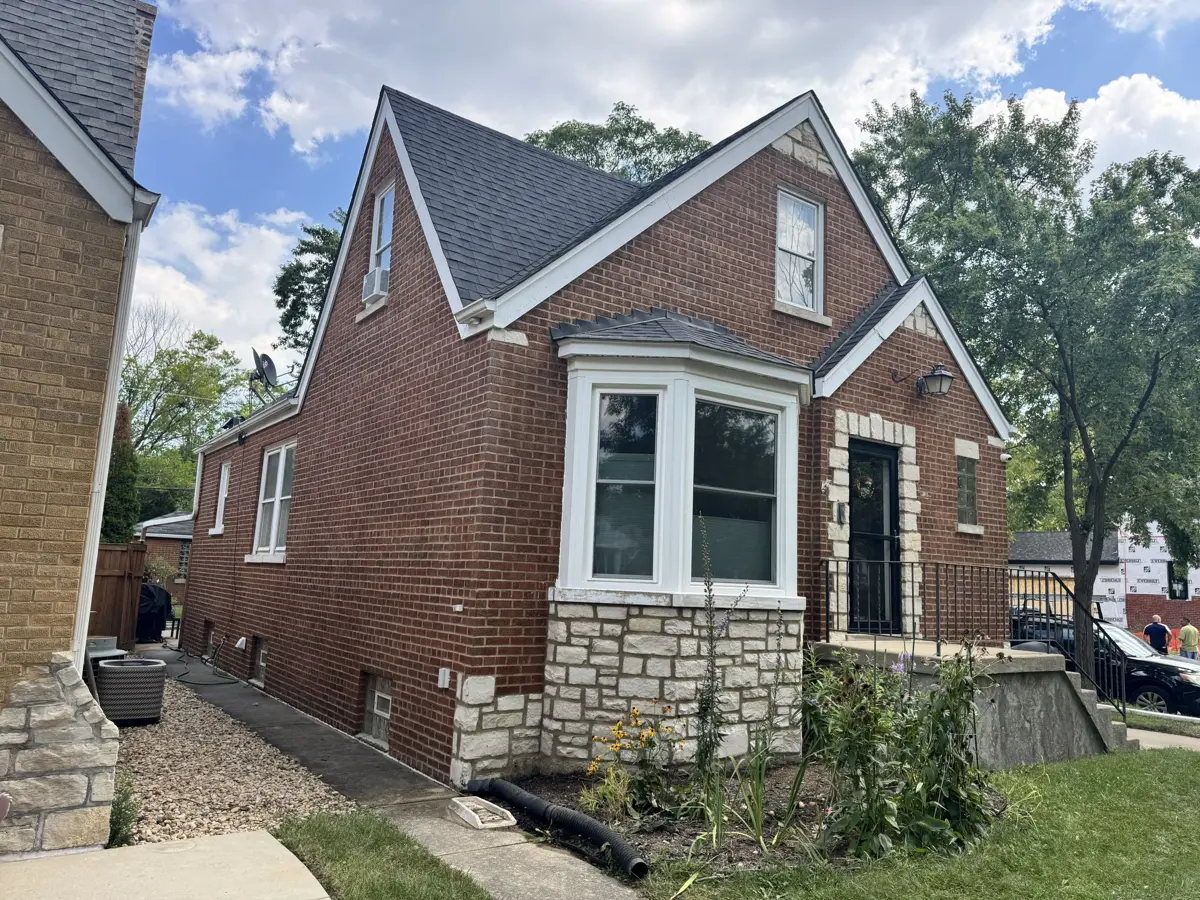
From a single failing chimney side to a full bungalow elevation, we repoint only what needs it and match it to the rest of the house.
Commercial
Multi-story and commercial walls, scaffold access, and City of Chicago masonry permits handled by our own crew.
See the Process
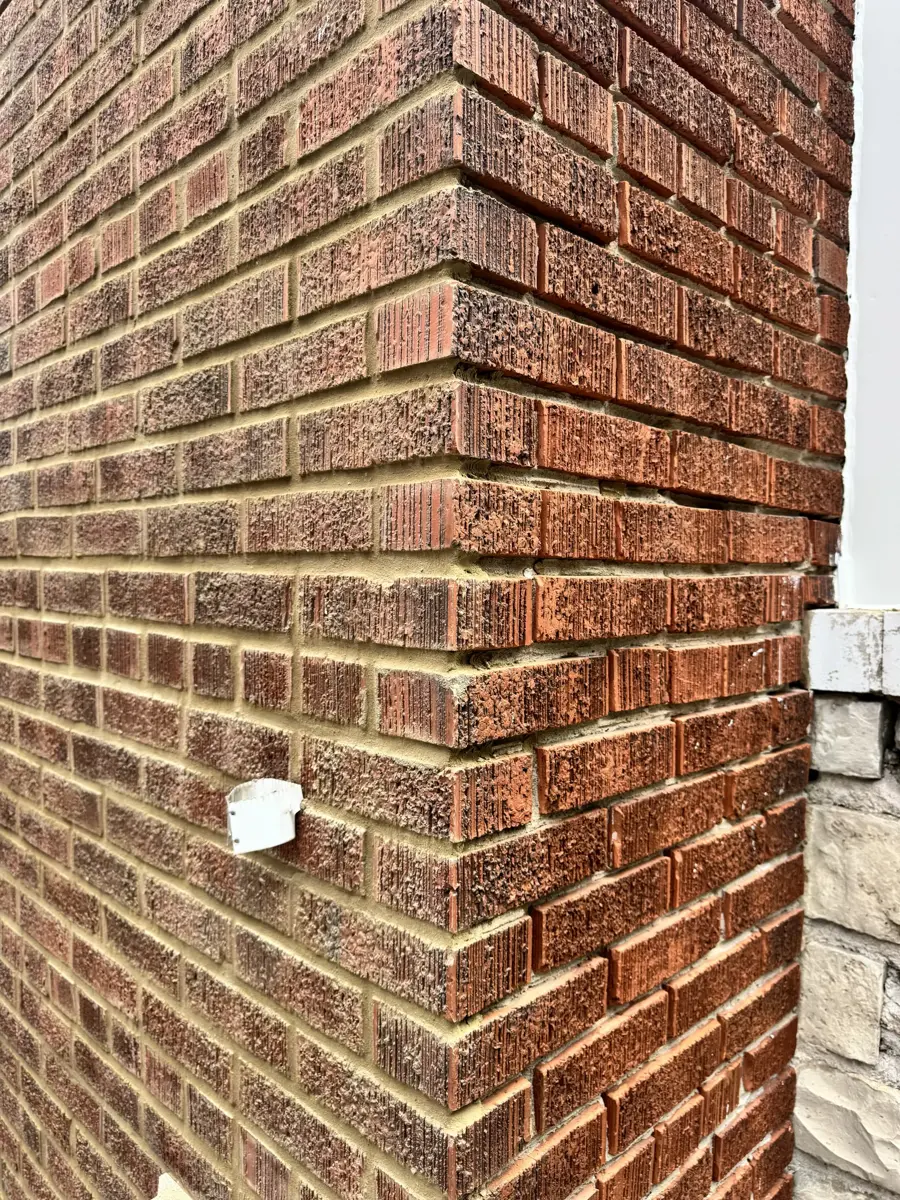
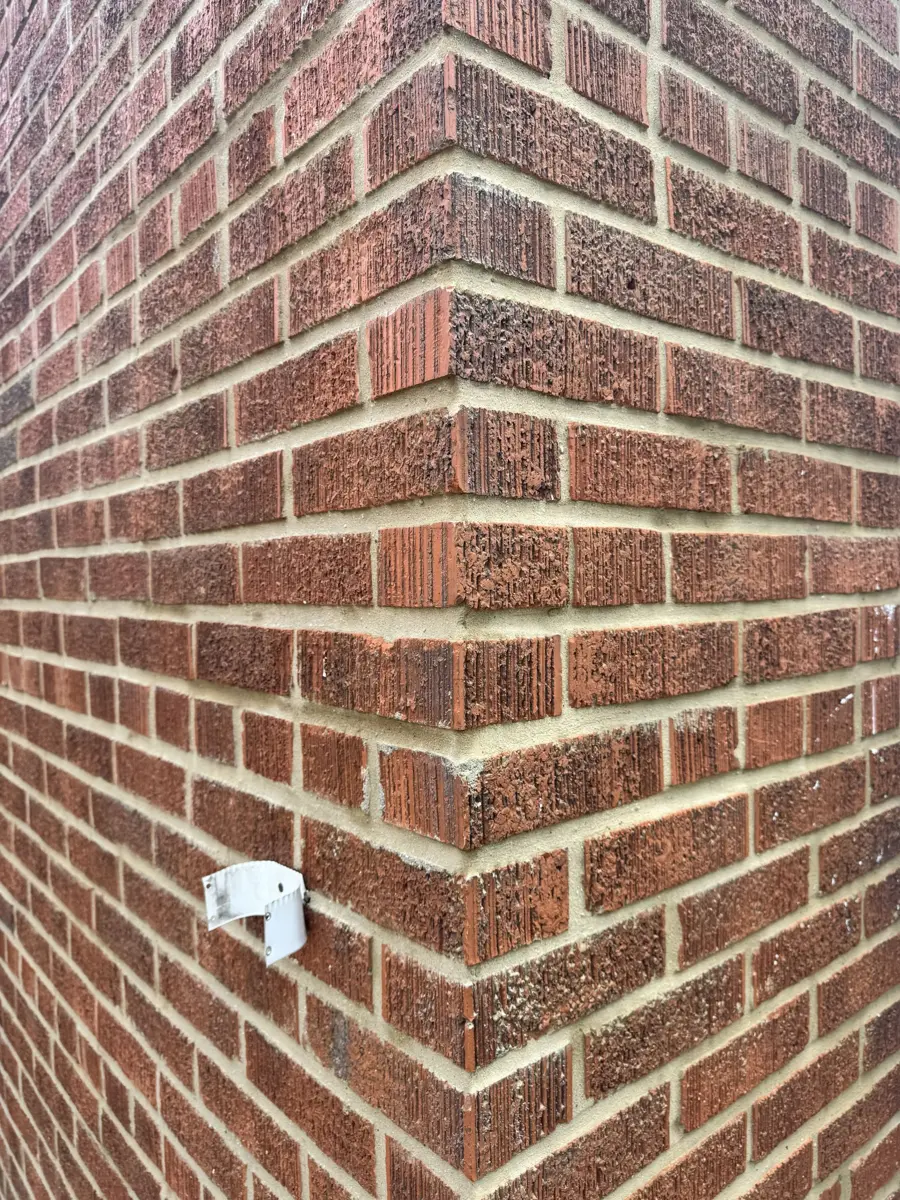
This mid-process close-up shows the reality of professional masonry restoration. Proper tuckpointing requires grinding deep into the old, failing joints before any new mortar is applied. This depth is what guarantees a true structural bond, rather than a cheap surface patch that will pop off after one harsh winter.
Owner-led restoration in action: Tuckpointing at 6100 N. Karlov
The Star Standard
We grind to the proper depth so new mortar bonds with the wall — no thin surface skim that pops off after one winter.
Custom mortar blending so your repointed joints blend seamlessly with your existing Chicago brick.
Deal directly with the family team doing the work — not a lead-gen aggregator.
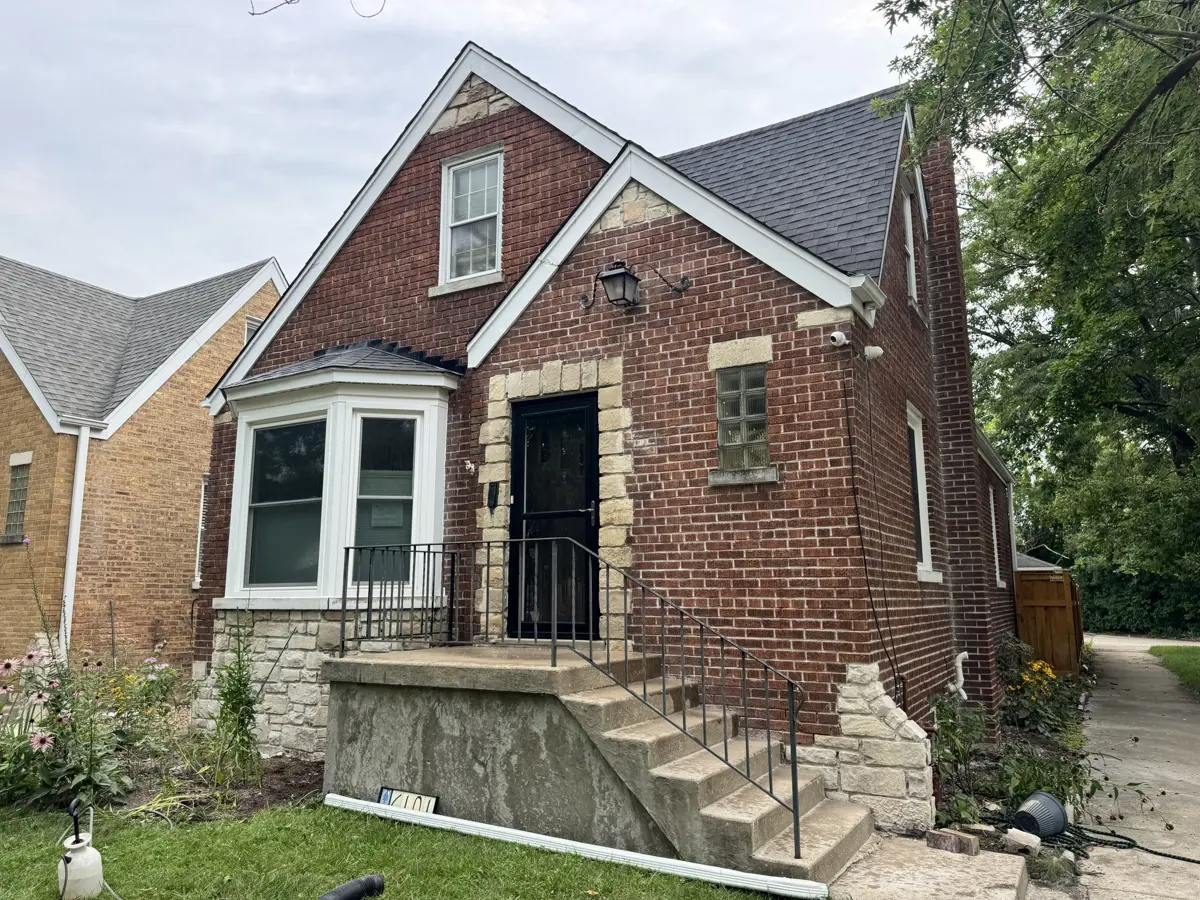
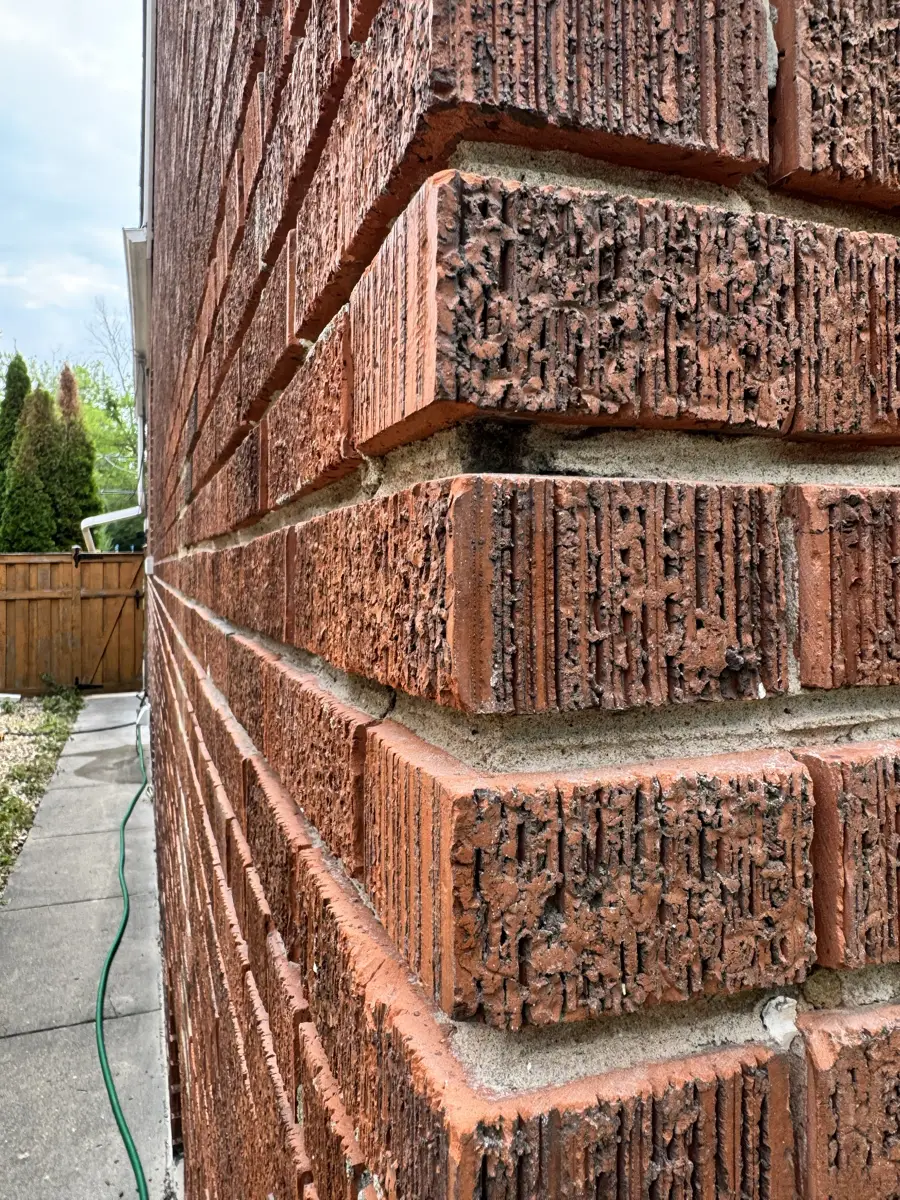
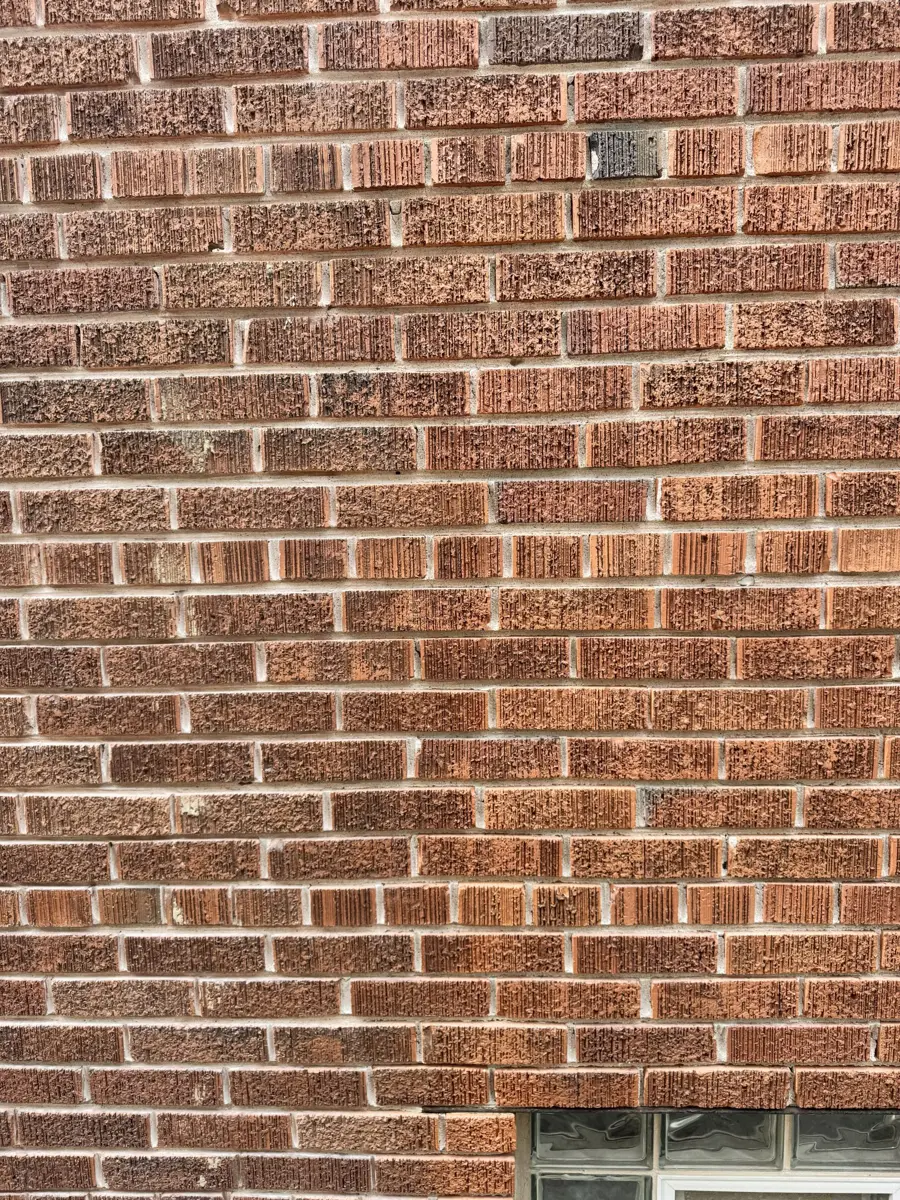
Visual Proof
Three Terms, One Process
Tuckpointing (also spelled “tuck pointing”) is the most common of three terms used interchangeably in the United States and Canada to describe restoring older masonry joints. When comparing quotes, make sure the damaged mortar will be removed first.
The most common of the three terms — the complete process of restoring older masonry joints: grinding out damaged mortar, then tucking in new mortar.
In some areas it means the same as tuckpointing, but it may mean only placing mortar in joints without first removing the damaged mortar.
Like repointing, it may mean the same as tuckpointing, or only the placing of mortar in joints. Always ask whether old mortar will be ground out first.
Owner's Field Guides
Read our field guides written by owners Voytek Kleszcz and Peter Kleszcz on how Chicago's freeze-thaw cycle breaks down mortar and how to compare contractor scopes.
What clients say
“I would definitely call them first if I need tuckpointing services again.”
“You can actually trust them.”
FAQ
Both terms are often used for removing deteriorated mortar and replacing it with new mortar. In practice, the important part is proper removal of failed joints, correct joint preparation, compatible mortar, and a finish that matches the existing masonry.
Grinding and tuckpointing in Chicago typically costs between $9 and $25 per square foot depending on wall height, mortar condition, and access. Full-wall restoration on a typical Chicago bungalow ranges from $3,000 to $12,000. Star Tuckpointing provides free written estimates with exact pricing.
Properly installed tuckpointing lasts 25 to 30 years in Chicago. The freeze-thaw cycle is the biggest threat to mortar, so the quality of mortar mix and joint depth directly affect lifespan. Star Tuckpointing grinds joints to full depth and uses a mortar mix matched to your building.
Most residential tuckpointing does not require a permit, but repairs involving brick replacement, structural work, or buildings over 30 feet typically do. Star Tuckpointing holds a Chicago Mason Contractor Class A license and pulls permits when required.
The best tuckpointing season in Chicago is April through November, when temperatures stay above 40 degrees so mortar cures properly. Star Tuckpointing schedules exterior work around the weather and can address emergency repairs year-round.
Look for crumbling or recessed mortar joints, white efflorescence on the brick, water stains on interior walls, and mortar you can scrape away with a screwdriver. If your home was built before 1970 and the mortar has not been restored, it is time for an inspection.
A Family Name Behind Every Job
Peter Kleszcz, Owner
Tell us what your property needs. We'll follow up directly.